Landlord duties for rubbish removal in Holland Park
Posted on 11/09/2026
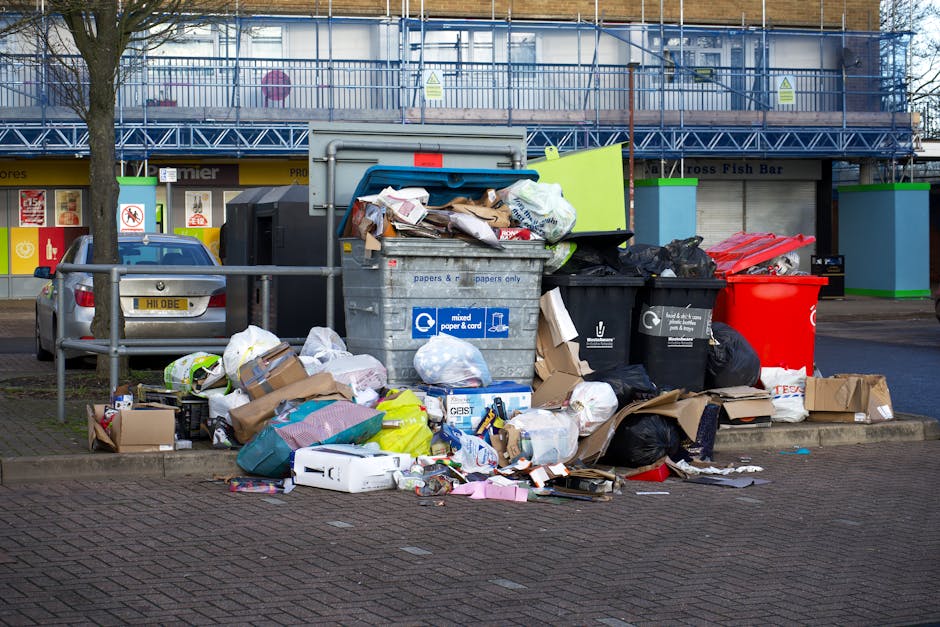
Landlord duties for rubbish removal in Holland Park: a practical guide for local property owners
If you let property in Holland Park, rubbish removal can feel like a small detail until it suddenly becomes a big problem. A hallway starts to smell, a tenant leaves bags by the bins, builders dump a pile of plasterboard, or an end-of-tenancy clearance gets delayed and the whole building looks untidy. Landlord duties for rubbish removal in Holland Park are not just about keeping things neat; they affect safety, tenant satisfaction, access, compliance, and how your property is perceived in one of west London's most polished neighbourhoods.
In this guide, we'll break down what landlords are usually expected to handle, where tenant responsibility begins, how waste removal works in practice, and how to avoid the common mistakes that lead to complaints or extra costs. You'll also find a checklist, a comparison table, and a few local examples that make the whole thing easier to apply in real life. Let's face it, rubbish is rarely glamorous. But it is one of those unsexy responsibilities that can save you a lot of time and hassle when managed well.
Why landlord rubbish duties matter in Holland Park
Holland Park has a particular feel to it: well-kept streets, high expectations, and properties where first impressions matter more than most. That means waste left in the wrong place stands out quickly. A single overflowing bin area or a missed bulky item collection can make a building look unmanaged, even if the rest of it is in excellent condition.
For landlords, rubbish duties matter for three main reasons. First, there is the obvious hygiene and safety side. Waste left for too long can attract pests, create slip hazards, block fire routes, and make shared spaces unpleasant. Second, there is the tenancy side. Most tenants want clear instructions and a clean, workable system. If bins are confusing or clearance is inconsistent, friction follows. Third, there is the reputational side. In an area where people notice details, a tidy waste arrangement helps protect the property's image and, frankly, your own peace of mind.
There's also the practical issue of access. Some Holland Park homes have narrow entrances, basement flats, shared mews arrangements, or limited pavement space. That means rubbish removal needs planning, not improvisation. If you want more context on local property ownership and what tenants tend to expect in the area, it can help to read some local Holland Park advice and this guide to the charm of Holland Park. The neighbourhood character matters more than people sometimes realise.
Expert summary: the best landlord waste systems are simple, documented, and easy for tenants or managing agents to follow. If people have to guess where rubbish goes, the system is probably too vague.
How landlord rubbish removal usually works
In practice, landlord duties for rubbish removal in Holland Park depend on the property type and tenancy setup. A single flat has different needs from a converted townhouse with shared bins, and both differ again from a multi-let building or a short-let property with quick turnarounds.
Usually, the landlord is responsible for providing a sensible waste arrangement at the start of the tenancy and ensuring the property remains usable and safe. Tenants are generally expected to dispose of their day-to-day household rubbish properly and follow the rules in the tenancy agreement. But if waste accumulates in shared areas, after a tenant moves out, or following works, the landlord often ends up coordinating removal.
That coordination may involve:
- arranging a standard bin system for the property
- organising bulky waste clearance after a tenancy ends
- bookings for furniture, appliances, or renovation debris
- keeping communal bin stores clean and accessible
- ensuring waste is not left obstructing neighbours or access routes
For many landlords, the cleanest solution is to set a clear process from day one. For example, if you are refurbishing a rental, it makes sense to separate builder waste from household waste rather than letting everything mingle in one sad heap behind the front railings. If the property is due to be cleared after a long tenancy, a dedicated clearance plan is usually easier than trying to piece it together once the inventory is due. You can see how a structured approach fits with wider property services in the area through the services overview and the page on house clearance in Holland Park.
Another thing to remember: access. In Holland Park, rubbish collection can be slowed down by tight entrances, parked cars, basement steps, or shared courtyards. A plan that works on paper may wobble in the real world. That's normal, but it should be anticipated.
Key benefits and practical advantages
When a landlord takes rubbish removal seriously, the benefits are immediate and, over time, quite noticeable.
- Better tenant experience: clean bin areas and clear instructions reduce complaints.
- Lower risk of fly-tipping: when waste has an obvious route, people are less likely to dump items where they shouldn't.
- Fewer neighbour disputes: shared houses and conversions often run smoother when bin storage is managed well.
- Cleaner move-in and move-out days: void periods and checkouts become less chaotic.
- Stronger property presentation: tidy waste management supports the overall quality of the building.
There's also a less obvious benefit: wasted time is reduced. If you've ever had to chase a tenant, contractor, cleaner, and collection crew in the same week, you'll know how quickly small rubbish issues turn into admin soup. A reliable system strips away a surprising amount of stress.
For landlords who value long-term upkeep, waste planning ties into sustainability too. Sorting recyclables properly and choosing the right clearance option can reduce unnecessary landfill use. If that side matters to you, the company's recycling and sustainability information is worth a look, especially for refurbishments and full-property clearances.
Who this is for and when it makes sense
This topic matters to several types of landlords, not just the ones dealing with obvious mess.
- Private landlords with one or two lets who want a clear, low-friction process
- Portfolio landlords managing multiple units and needing consistency
- Landlords of HMOs or shared homes where bin use gets complicated quickly
- Letting agents and property managers who need a repeatable standard
- Landlords doing refurbishments before re-letting
- Landlords handling end-of-tenancy clearances after furniture or abandoned items are left behind
It makes sense to think about rubbish removal early, not after a complaint lands in your inbox at 8:12 on a Monday morning. If you are buying or investing in property in the area, rubbish access and clearance logistics are worth factoring into your decision. That is one reason guides like tips for buying Holland Park property and the Holland Park property investment guide can be useful alongside this article.
Here's the simple rule: if the property has shared access, limited storage, or a history of tenant turnover, waste planning is not optional. It's part of running the asset properly.
Step-by-step guidance for landlords
Below is a practical way to build a rubbish removal system that actually works in a Holland Park rental.
1. Check what the tenancy agreement says
Start with the basics. Does the agreement clearly state who is responsible for day-to-day rubbish, bulky items, and end-of-tenancy clearance? If it does not, that's a gap worth fixing. A vague clause sounds harmless until somebody moves out and leaves a mattress, three broken chairs, and a small mountain of packaging.
2. Review the property layout
Look at where bins are stored, how waste moves through the building, and whether collectors can access the frontage easily. In some Holland Park buildings, the issue is less about capacity and more about getting items out without blocking neighbours or damaging walls and railings.
3. Decide what tenants can handle themselves
General household waste is usually straightforward. Bulky waste, garden cuttings, white goods, and builders' debris are not. Make the split clear. Tenants should know what they can leave in normal bins and what requires a separate arrangement.
4. Set rules for check-out and void periods
This is where many landlords get caught out. A tenant may leave a few bags, a broken desk, or unwanted items in a hallway on their way out. Build a rule that all belongings and rubbish must be removed before check-out, unless a pre-agreed clearance is arranged.
5. Use the right removal route for the waste type
Not every collection is the same. For small waste, a standard collection may be enough. For renovation leftovers, you'll need a builders waste disposal approach. For a full flat or house clear-out, house clearance is usually more efficient. Choosing the right route prevents delays and avoids paying for the wrong kind of service. A useful starting point is the builders' waste disposal page and the main waste removal service.
6. Keep a record
Save notes on what was removed, when it happened, and who approved it. Sounds dull. It is dull. But it helps if there is ever a dispute over charges, abandoned items, or damage claims.
7. Review and improve after each tenancy
Ask yourself: did the bin arrangement work? Were there collection delays? Did the contractor have access? Tiny adjustments now can prevent repeat issues later.
Expert tips for better results
After enough turnover periods, you begin to see patterns. The same few issues crop up again and again, just dressed up in different ways.
- Write rubbish rules into the welcome pack. A clear note about bin days, recycling, bulky items, and where to leave waste does wonders. People rarely object to clarity.
- Photograph the bin store and access route. This is especially useful in buildings with basements or shared entrances.
- Use labelled containers where possible. Even simple labels for recycling, general waste, and glass reduce mistakes.
- Book clearance before deadlines. If you need a property ready for viewings or a new tenancy, don't leave waste removal to the final morning.
- Check for hidden extras. Some jobs look cheap until access difficulties, stair carries, or extra load sizes are added. The article on hidden charges in Holland Park rubbish removal is a sensible read if you're comparing options.
- Think about access in advance. On busy roads, timing matters. Collections may run more smoothly outside peak congestion periods, especially where pavements are tight. For a more local angle, see rubbish collection access problems on Kensington High Street.
A small practical observation: the best waste systems are boring. Boring is good. Boring means predictable, and predictable means fewer calls, fewer complaints, and fewer awkward surprises when a tenant moves out.

Common mistakes to avoid
Most rubbish problems are not dramatic. They are accumulations of little oversights. Here are the ones landlords in Holland Park should watch for.
- Assuming tenants understand local collection rules without telling them
- Leaving bulky waste arrangements until the last day
- Not checking whether shared bins are sufficient for the number of occupants
- Mixing renovation waste with household rubbish
- Using an unverified clearance approach that creates compliance or fly-tipping risk
- Forgetting about garden waste in properties with outdoor space
- Booking a collection without checking access restrictions
Booking mistakes are especially common. A van may arrive, but the crew cannot reach the waste, the load is heavier than expected, or the item list was incomplete. That sort of thing creates delays and stress for everyone. If you want a sense of what to avoid, the article on booking mistakes to avoid with Holland Park waste collection is a useful companion piece.
Another classic issue: landlords assume the council will deal with everything automatically. That is not how it works in real life. Some items require separate bulky collection arrangements, and some waste needs a private solution to keep the building clear and compliant. The local guide to bulky rubbish collection rules helps illustrate why.
Tools, resources and recommendations
You do not need a fancy system to manage rubbish well. You need a simple one that people can actually use.
Useful tools for landlords
- Tenant information sheets with bin day and waste instructions
- Move-out checklists covering all rubbish and stored items
- Inventory photos showing the condition of bins, stores, and shared areas
- Property management notes for repeated waste issues or access quirks
- Preferred contractor list for clearances, garden waste, and bulky item removals
Recommended service types to consider
Different situations need different approaches. A regular collection can keep day-to-day waste under control. A specialist clearance service is better when you are dealing with abandoned items, a deceased estate, or a full tenancy turnover. Garden waste removal makes sense when outdoor spaces are part of the property. Office clearance is the right fit for mixed-use or home-office contents that need to go in one organised sweep.
If you're comparing options, the relevant pages on rubbish collection in Holland Park, garden waste removal, office clearance, and house clearance can help you match the method to the job.
One more recommendation: read the small print. The terms and conditions, payment and security, and pricing and quotes pages are there for a reason. Not the thrilling part, admittedly, but worthwhile.
Law, compliance, standards and best practice
This is the section where caution matters. Landlord duties for rubbish removal in Holland Park can touch tenancy law, waste duty of care, health and safety, and local collection expectations. The exact legal position depends on the tenancy, the waste type, and who generated it. So it is sensible to speak in best-practice terms unless you have formal legal advice for a specific case.
In general, landlords should aim to:
- provide adequate waste storage and access
- avoid allowing rubbish to accumulate in communal or fire-sensitive areas
- ensure waste is transferred to a lawful, appropriate service
- keep records of waste clearances where it is practical to do so
- set clear responsibilities in tenancy documents and move-out procedures
If a tenant leaves waste behind, the landlord may need to arrange removal, especially if the property must be re-let promptly. However, recovering costs or assigning responsibility depends on the contract and the facts. That is why being clear in advance is so helpful. It avoids the miserable back-and-forth later.
For properties with building works, the standard of care should be even higher. Builders' debris should not be mixed into general waste, and access routes should be kept safe. The company's insurance and safety guidance is relevant here, as is the local fly-tipping and waste disposal guide, which explains why careless disposal creates more than just an eyesore.
Best practice, in plain English, means this: make the waste system obvious, lawful, and repeatable. If you would not be comfortable explaining it to a new tenant in two minutes, it probably needs tightening up.

Options and comparison table
Landlords usually choose between a few practical waste-handling methods. The right one depends on volume, frequency, access, and the kind of property you manage.
| Method | Best for | Strengths | Limitations |
|---|---|---|---|
| Standard bin arrangement | Day-to-day household rubbish | Simple, familiar, low admin | Not suitable for bulky or unusual waste |
| Ad hoc private collection | Small to medium one-off clearances | Flexible and often quick | Needs access planning and clear item lists |
| Bulky item removal | Furniture, appliances, mattresses | Handles awkward loads properly | May require advance booking |
| House clearance | End-of-tenancy or full property clear-outs | Efficient for larger jobs | Can be more involved and time-sensitive |
| Builders waste disposal | Refurbishment debris and renovation waste | Best for construction leftovers | Must be separated from general waste |
If your property is near transport links or busier streets, collections can be affected by timing and access. That's one reason it helps to know what to expect near specific local pinch points. The article on rubbish removal near Holland Park Station is a useful example of how location can change the logistics.
In some cases, the best option is not the cheapest one at first glance. It is the one that gets the waste removed cleanly, safely, and without a second round of calls. Truth be told, that usually ends up being cheaper in the long run anyway.
Case study or real-world example
A landlord with a converted property off Holland Park Avenue had a familiar problem: the previous tenants left several black bags, a dismantled wardrobe, and a stack of cardboard in the basement passageway. Nothing dramatic, but enough to block part of the route and make the place feel untidy before new viewings.
At first, the landlord thought a simple bin-day reset would solve it. It didn't. The cardboard was too bulky, the wardrobe pieces were awkward to carry, and the basement route meant the collection needed planning. The cleaner could not safely move everything alone, and the managing agent wanted the flat ready within two days.
The solution was straightforward once the waste type was identified. General rubbish was separated from bulky items, the access route was checked in advance, and the removal was scheduled before the next viewing block. The result was not just a cleaner flat; it was a calmer handover. No chasing, no last-minute panic, no awkward smell drifting up the stairwell on a damp afternoon.
That kind of scenario is common. The lesson is not that landlords must do everything themselves. It is that rubbish becomes manageable once the task is broken down into the right categories and timed properly.
Practical checklist
Use this checklist before a tenancy starts, ends, or enters a refurbishment period.
- Have you confirmed who is responsible for everyday rubbish?
- Do tenants have clear instructions for bins, recycling, and bulky items?
- Is the bin store clean, accessible, and large enough?
- Are move-out rules written down and easy to understand?
- Have you identified any access issues, steps, narrow gates, or parking limits?
- Do you know which items need separate clearance?
- Have you planned for garden waste if the property has outdoor space?
- Is builders' waste kept separate from household waste?
- Have you checked pricing, terms, and likely extra charges?
- Do you have records or photos for the current condition of waste areas?
If you can answer yes to most of those without squinting at your notes, you're in good shape. If not, that's fine too. Better to catch the gaps now than during a rushed move-out.
Conclusion
Landlord duties for rubbish removal in Holland Park are really about good property management. Keep the system clear, keep the access workable, and keep the waste moving. Do that, and you reduce complaints, protect your property's presentation, and make life easier for everyone involved.
The strongest approach is usually the simplest one: define responsibility early, choose the right waste method for the job, and plan around local access realities rather than pretending they do not exist. That mix of clarity and consistency is what keeps a nice property feeling like a nice property.
Get a free quote today and see how much you can save.
And if you're still refining your landlord process, that's perfectly normal. A better rubbish system is one of those quiet improvements that pays you back in fewer headaches and a smoother week, which honestly feels pretty good.

From a young age, Blair has cultivated a passion for order, which has now matured into a prosperous profession as a waste removal specialist. She derives satisfaction from transforming disorderly spaces into practical ones, aiding clients in conquering the burden of clutter.
 Tipper Van - Rubbish Collection and Builders Waste Disposal Prices in Holland Park, W8
 Luton Van -