Holland Park council rules for fly tipping and waste disposal
Posted on 31/07/2026
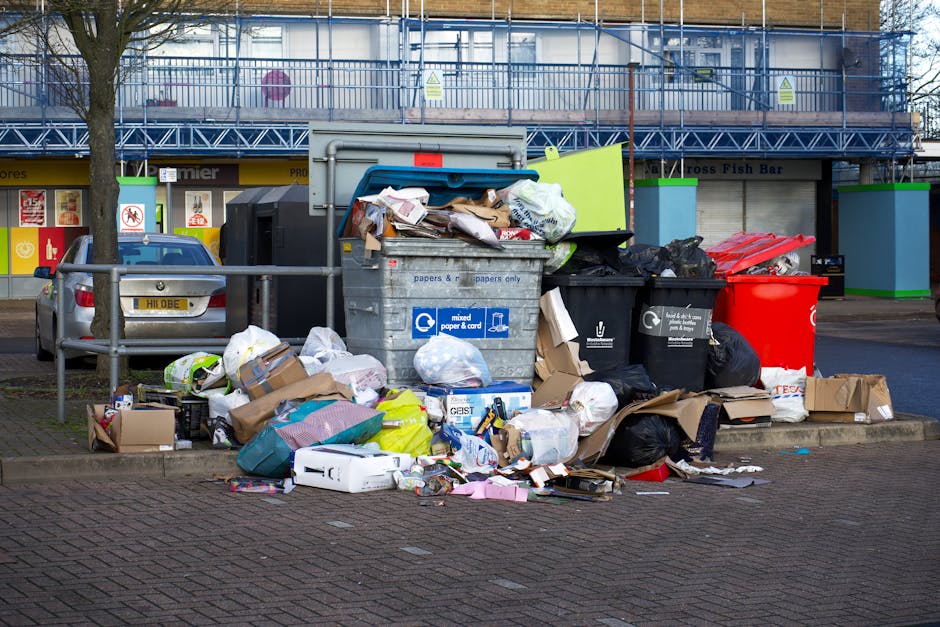
If you live, work, or manage a property in W11, the rules around rubbish can feel a bit stricter than people expect. That's because Holland Park council rules for fly tipping and waste disposal are not just about keeping the streets tidy; they're about preventing nuisance, protecting neighbours, and avoiding penalties that can escalate fast. One wrong decision with a bin bag, builder's rubble, or a sofa left by the kerb can turn into a mess nobody wants to deal with.
This guide breaks the topic down in plain English. You'll learn what counts as fly tipping, what usually happens with household and commercial waste, where people go wrong, and how to stay on the right side of local expectations. If you've ever stood in front of a pile of mixed rubbish at 8:15 in the morning wondering, "Can I leave this out here?", you're in the right place.
We'll also cover practical steps, compliance basics, a comparison of disposal options, and a realistic checklist you can actually use. No fluff. Just the things that matter.
Why Holland Park council rules for fly tipping and waste disposal Matters
Fly tipping sounds like one of those council terms people only notice when something's gone wrong. In reality, it covers a surprisingly wide range of bad waste behaviour: dumping items on pavements, leaving bags where they block the highway, abandoning renovation waste beside a tree pit, or passing rubbish to someone who cannot legally take it away. In a neighbourhood like Holland Park, where streets are busy, access can be tight, and residents expect a certain standard, the knock-on effects are immediate.
To be fair, most people do not intend to cause a problem. They are just trying to get rid of waste quickly. But that's exactly where trouble starts. A missed collection, an overfull bin store, or a rushed renovation can create a pile that attracts complaints, pests, and sometimes formal action. Once waste is placed incorrectly, it may be treated as an illegal deposit rather than ordinary rubbish. And yes, that can become expensive.
It also affects the wider area. Holland Park has a mix of mansion blocks, period homes, offices, shops, and garden spaces. That means waste patterns vary from one street to the next. A house clearance near one side of the park will look very different from office waste on a commercial street or green waste after a garden project. If you want a broader overview of how local waste services are typically organised, the services overview is a helpful place to start.
There is also a practical reputational angle. A tidy frontage matters in places like Holland Park. Nobody wants to be the property with a broken wardrobe and three paint tins sitting outside for two days in drizzle. You notice it. Your neighbours notice it. So does anyone walking past.
How Holland Park council rules for fly tipping and waste disposal Works
At the simplest level, the system is built around one idea: waste should be stored, presented, collected, and transferred in a lawful way. That means the person creating the waste remains responsible for handling it properly until it is handed to an authorised collector, local collection service, or approved disposal route.
In practice, a few things usually matter most:
- What the waste is - household rubbish, bulky items, garden waste, office waste, builders' waste, or something more specialised.
- Where it is placed - inside a bin, in a communal store, on private land, or on the public highway.
- Who is removing it - the council, a licensed carrier, a landlord's contractor, or a private waste team.
- Whether it can be traced - good paperwork and clear handover details matter more than people realise.
For everyday household waste, the usual expectation is straightforward: use the right bins, put them out at the right time, and do not leave extra rubbish beside them. For bulky waste, you should arrange a proper collection instead of assuming someone will "sort it out" later. For construction waste, the standards are tighter still. Bricks, plasterboard, soil, timber, and mixed rubble are not the same as household black bags, and they need a proper disposal route. If you are dealing with a refurbishment, the dedicated builders' waste disposal in Holland Park page covers the practical side well.
Then there is fly tipping itself. That term normally refers to waste dumped unlawfully, often on streets, alleys, communal land, or other unauthorised spots. It does not need to be a mountain of junk. Sometimes it is only a mattress, a broken cabinet, or a stack of black sacks. Small act, big headache. Very London, honestly.
If you are unsure how your waste should be handled, think in this order: can it be reused, recycled, collected, or safely removed by a legitimate provider? That sequence alone prevents a lot of mistakes.
Key Benefits and Practical Advantages
Getting waste disposal right is not just about avoiding penalties. It makes day-to-day life easier and cleaner, and it removes that low-level stress people often live with when rubbish is "temporarily" left in the wrong place.
- Lower risk of complaints from neighbours, managing agents, or building staff.
- Reduced fire and pest risks, especially where waste accumulates in basement stores or side passages.
- Better access and safety for pedestrians, bin crews, couriers, and emergency access.
- Less chance of fines or enforcement action if waste is traced back to you or your property.
- Cleaner property presentation, which matters a great deal in a premium residential area.
- More predictable removals when everything is prepared in the right way before collection day.
There is also a quieter benefit: waste gets dealt with in one go. That means fewer awkward half-finished piles, fewer extra trips, and fewer "I'll do it tomorrow" situations. We all know how those end. It rains, then the bag splits, then the pigeons arrive. Not ideal.
For households that are decluttering, moving, or renovating, a proper disposal plan can save time and protect the property. If you are preparing for a full clear-out, house clearance in Holland Park is often the most practical route. For smaller domestic jobs or mixed loads, rubbish collection in Holland Park is usually the more flexible option.
And for environmentally minded residents, there is a genuine upside in separating recyclable material and choosing the right disposal method from the start. That's not just good manners; it is smarter waste management.
Who This Is For and When It Makes Sense
This guidance is useful for anyone who creates waste in Holland Park, but some situations come up again and again.
- Homeowners and tenants who need to dispose of bulky furniture, appliances, or excess bags.
- Landlords and letting agents dealing with end-of-tenancy clearances or abandoned items.
- Property managers and concierge teams responsible for communal waste areas and resident compliance.
- Builders and tradespeople handling refurbishment debris, strip-out waste, or mixed rubble.
- Offices and small businesses with archived documents, desks, chairs, packaging, or fit-out waste.
- Garden owners clearing branches, soil, clippings, and old planters after seasonal work.
It also makes sense when you are short on time. Let's say you've finished a weekend clear-out and the hallway is full of old lamps, cardboard, and one chair nobody can explain. Do you wait for the next random opportunity? Or do you book a proper removal and be done with it? In most cases, that second option is cheaper in stress, even if it is not the cheapest on paper.
If you are working around access issues, it helps to read up on local logistical challenges too. Holland Park streets can be narrow, parking can be awkward, and some buildings make loading slower than people expect. A good practical read is rubbish collection access problems on Kensington High Street, which gives a sense of what access constraints can do to timing and planning.
For residents who are still deciding between collection types, the article on W11 council rules for rubbish collection in Holland Park is useful background reading alongside this one.
Step-by-Step Guidance
If you want to stay compliant and avoid fly tipping mistakes, work through the process in order. It is boring, yes, but boring is excellent when waste is involved.
-
Identify the waste type.
Separate normal household rubbish from bulky items, garden waste, electricals, and builders' waste. Mixed waste is often where people make expensive errors.
-
Check where it should go.
Ask whether the waste belongs in household bins, a communal store, a booked collection, or a specialist disposal route. If you are uncertain, treat it as a separate stream rather than dumping it with general rubbish.
-
Prepare it properly.
Bag loose waste, flatten cardboard, wrap sharp items, and keep recyclable material apart where possible. A tidy load is easier to move and much less likely to become a problem on the street.
-
Arrange lawful removal.
Choose a service that is suitable for the material and the property. For garden cuttings, the dedicated garden waste removal in Holland Park option is often the cleanest fit. For offices, use a service designed for business waste rather than guessing your way through it.
-
Keep records if needed.
For larger jobs or contractor waste, keep notes of what was removed, when, and by whom. This is one of those dull habits that can save a huge amount of hassle later.
-
Use the right collection timing.
If items are going out for collection, do so according to the property's rules or agreed schedule. Leaving waste out too early can create obstruction and attract complaints, especially in shared buildings.
A useful way to think about this is: what would a careful neighbour expect to see? If the answer is "a neat, manageable pile in the right place at the right time," you are on track.
Expert Tips for Better Results
Small adjustments make a big difference. In our experience, the people who avoid waste problems in Holland Park are not necessarily the most organised people in the world. They just do a few sensible things consistently.
- Do not mix materials unless you have to. Separate wood, metal, cardboard, soil, and general rubbish where practical. It improves recycling potential and makes collections easier.
- Measure access before collection day. Tight basement stairs, low gates, and shared entrances can affect how quickly waste can be removed. A quick check saves a lot of back-and-forth.
- Book a collection before the pile grows. A one-room clear-out is simpler than a whole-house avalanche. Sounds obvious, but people wait until the pile is three times bigger than planned.
- Photograph waste before it leaves. This is especially sensible for landlord, office, or contractor work where traceability matters.
- Ask about handling rules for specialist items. Mattresses, fridges, paint, plasterboard, and electrical items may need different treatment. Assuming they are all "just rubbish" is where people slip up.
If you manage regular waste flow or are trying to improve household sorting, the recycling and sustainability page is a practical companion piece. It helps frame disposal choices in a more considered way, which matters more in dense urban areas than people admit.
One more thing: if you are comparing services, check what is included and what is not. Loading, labour, access time, parking, and disposal type all affect the final outcome. That sounds dry. It is dry. But dry beats nasty surprises every time.
Common Mistakes to Avoid
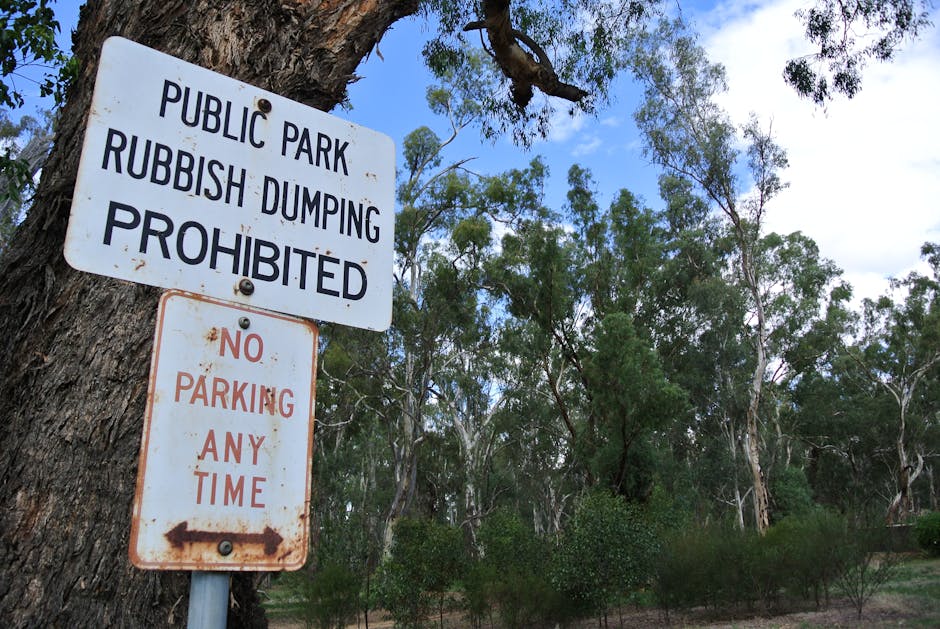
Most fly tipping and waste disposal problems are avoidable. The trouble is, people make the same few errors again and again.
- Leaving items beside bins and assuming they will be taken anyway.
- Using an unverified collector without checking whether the waste will be handled properly.
- Dumping renovation waste with household rubbish, especially plaster, rubble, and old fixtures.
- Blocking pavements or entrances with bags, panels, or furniture.
- Ignoring shared-building rules around bin store use, lift access, or collection windows.
- Assuming someone else will move it because "it's only for a couple of hours."
That last one causes more friction than you'd think. A bin bag is never "just one bag" once it is at the kerb for too long. The wind catches it, a lid opens, somebody complains, and suddenly the whole street knows about the issue.
Another mistake is choosing a disposal route based only on price. Cheap can be fine, but cheap and vague is where problems start. If you are comparing pricing, use a page like pricing and quotes to understand how transparent estimates should look before you book anything.
For a deeper look at what can go wrong when people rush the process, the article on booking mistakes to avoid with Holland Park waste collection is worth a read.
Tools, Resources and Recommendations
You do not need a complicated system to manage waste properly. A few basic tools and habits go a long way.
- Labels or marker pens for separating general waste, recycling, and special items.
- Heavy-duty sacks or boxes for items that might tear weaker bags.
- Simple photo records before and after removal.
- Access notes for narrow hallways, loading points, or side entrances.
- A short disposal plan for larger projects so items do not linger in the wrong place.
If you are dealing with a flat, a townhouse, or a mixed-use building, it can also help to think ahead about traffic flow. Where will the waste be staged? Who opens the gate? Will the lift be available? It sounds almost too basic to mention, but those small questions prevent chaos.
For ongoing domestic support, waste removal in Holland Park is the broader catch-all option. If you are clearing a flat after a tenancy ends, house clearance in Holland Park often saves time and reduces repeat visits. And for office moves, the dedicated office clearance in Holland Park page is the most relevant place to start.
Law, Compliance, Standards, or Best Practice
Here's the careful version: waste law in the UK places responsibility on the person producing or controlling the waste to manage it properly. In practical terms, that means you should only hand waste to someone who is appropriate for the job, and you should not leave material where it could be treated as abandoned. Local enforcement teams and property managers generally look for the same thing - proof that the waste was handled responsibly.
Best practice usually includes the following:
- Use lawful disposal routes for household, commercial, and construction waste.
- Separate hazardous or specialist items from general rubbish.
- Keep collection arrangements clear when dealing with communal buildings or contractors.
- Avoid blockages on public footways, access routes, and entrances.
- Retain evidence where sensible, especially for larger jobs.
One thing people often overlook is the difference between convenience and compliance. Something may feel easy - for example, leaving a pile near the kerb overnight - but still be the wrong thing to do. The safest approach is always to treat waste as something you must actively hand over, not something you can loosely abandon and hope for the best.
For anyone wanting a more localised perspective on removal and compliance, Holland Park Avenue rubbish collection and clearance guide is a useful area-specific read.
Options, Methods, or Comparison Table
Different disposal methods suit different situations. Choosing well can save time, reduce clutter, and lower the risk of mistakes.
| Method | Best for | Pros | Watch-outs |
|---|---|---|---|
| Regular household bins | Everyday domestic waste | Simple, familiar, low effort | Not suitable for bulky items or excess loads |
| Booked bulky collection | Furniture, appliances, large items | Convenient and controlled | Needs planning and correct presentation |
| Dedicated clearance service | House moves, tenant clear-outs, mixed loads | Fast, practical, labour included | Quality varies if the provider is not transparent |
| Builders' waste disposal | Renovations, strip-outs, rubble | Designed for heavier, mixed construction waste | Needs the right segregation and access planning |
| Garden waste removal | Clippings, branches, soil, old pots | Cleaner and faster than making multiple trips | Soil and mixed green waste can be heavier than expected |
If you are not sure which route fits, a quick rule of thumb helps: ordinary daily rubbish goes with regular collection, one-off bulky loads need a dedicated uplift, and renovation or business waste should be treated as a separate category. Simple. Not always easy, but simple.
Case Study or Real-World Example
Picture a small Holland Park townhouse at the end of a long renovation week. There are old skirting boards by the back door, broken shelves in the hall, and a box of mixed packaging that has somehow multiplied overnight. The owners are busy, the builders are leaving early, and someone suggests putting everything outside "just for now".
That's the moment when waste problems tend to start. Instead, they split the material into three groups: reusable packing, builders' waste, and general rubbish. The packaging went for recycling. The renovation offcuts were booked for the correct disposal route. The everyday waste was bagged and stored neatly until collection. No pile on the pavement. No guessing. No neighbour complaint the next morning.
The result was not glamorous, but it was efficient. The front of the property stayed tidy, the builder could finish without delay, and there was no awkward scramble to move things in a hurry. That sort of outcome is what good waste planning looks like in real life.
Another common scenario is a landlord managing end-of-tenancy rubbish after a move-out. Leftover chairs, broken coat racks, boxes of random kitchenware - nothing shocking, just scattered clutter. In that case, a structured rubbish removal near Holland Park Station style approach can be the difference between a clean turnover and a stressed-out afternoon. If timing matters, same-day support can also help reduce delays, especially when access windows are tight.
Practical Checklist
Use this before any collection or disposal job in Holland Park.
- Have I identified the waste type correctly?
- Is any item bulky, sharp, hazardous, or specialist?
- Do I know whether this belongs in a bin, a booked collection, or a clearance service?
- Is the waste bagged, boxed, or separated properly?
- Will the waste block a pavement, doorway, or shared entrance?
- Have I checked access, parking, and loading conditions?
- Do I need evidence or notes for a landlord, agent, or contractor file?
- Have I compared the full service scope, not just the headline price?
- Is the disposal route suitable for the material, not just convenient?
- Would I be comfortable explaining this setup to a neighbour or property manager?
That last one is a surprisingly good test. If the answer is yes, you are probably doing fine.
Get a free quote today and see how much you can save.
Conclusion
Holland Park council rules for fly tipping and waste disposal are really about one thing: keeping waste controlled, traceable, and out of the wrong place. Once you understand the basics, the whole process becomes much less intimidating. Separate the waste properly, choose the right disposal route, respect access and timing, and do not take shortcuts that create more work later.
If you are facing a one-off clear-out, a garden refresh, or a building project, the smartest move is usually to plan early rather than improvise on the day. A little care now saves a lot of hassle later. And in a place like Holland Park, that care shows.
For practical, local waste support and a smoother next step, explore the pages linked throughout this guide and choose the route that fits your load, your schedule, and your building. Small steps, done properly, really do make life easier.
There is something reassuring about a clean pavement and a job done right. It just feels better, doesn't it?

From a young age, Blair has cultivated a passion for order, which has now matured into a prosperous profession as a waste removal specialist. She derives satisfaction from transforming disorderly spaces into practical ones, aiding clients in conquering the burden of clutter.
 Tipper Van - Rubbish Collection and Builders Waste Disposal Prices in Holland Park, W8
 Luton Van -